Heart Box Template SVG: 3D SVG Shapes Review
First Impressions: Evaluating Commercial Viability for Digital Shops
When sourcing new design assets for an online shop, my primary filter is always commercial versatility. As a digital product creator preparing a seasonal collection for Etsy and Creative Fabrica, I recently evaluated the Heart Box Template SVG and Box DXF to determine if it earns a spot in my inventory. The immediate appeal of this asset lies in its specific niche intersection: it bridges the gap between functional packaging design and decorative art. Unlike generic heart vectors that saturate the market, this file offers structural utility. The mood is distinctly romantic yet practical, targeting buyers who create physical gifts rather than just digital greetings. It feels handmade and premium, avoiding the cheap clipart aesthetic that often plagues low-tier marketplaces.
For sellers focusing on the wedding, Valentine’s Day, or anniversary niches, this asset signals high perceived value. It attracts crafters looking for tangible project outcomes. When I opened the ZIP file, the inclusion of PDF instructions alongside the vector files was a major positive indicator. In the world of 3D SVG files, customer support tickets regarding assembly are common; providing clear documentation upfront reduces friction and protects seller ratings. The dimensions—scaling from a compact 14.5×3.8cm base to a larger 19.33×30.84cm project size—suggest the designer understands real-world material constraints, which is crucial for Cricut project success.
Real-World Application: From Vector File to Sellable Product
A graphic design asset is only as valuable as the products it can generate. During my testing phase, I assessed how this Heart Box Template performs across different revenue streams. For Etsy product listings, this template excels as a standalone digital download for paper crafters. However, its true potential unlocks when bundled. I found it pairs exceptionally well with matching greeting card templates or gift tag designs to create a comprehensive "Gift Set Bundle." This strategy increases average order value by solving multiple customer problems at once.
For print-on-demand sellers and sublimation businesses, the flattened PNG and EPS versions serve a different purpose. While you cannot sell the box structure itself via POD, the visual representation of the heart box makes excellent lifestyle imagery for mug designs or tote bag prints. Imagine a t-shirt design featuring this heart box overflowing with flowers; it creates a narrative scene rather than a static icon. For Canva template sellers, importing the SVG allows users to customize colors and text directly within the browser, making it a flexible element for social media graphics or digital invitation suites. The versatility across SVG, DXF, PNG, and EPS formats ensures that whether your customer uses a Silhouette Cameo, Adobe Illustrator, or Canva, the asset remains functional.
Maximizing Listing Appeal Through Strategic Presentation
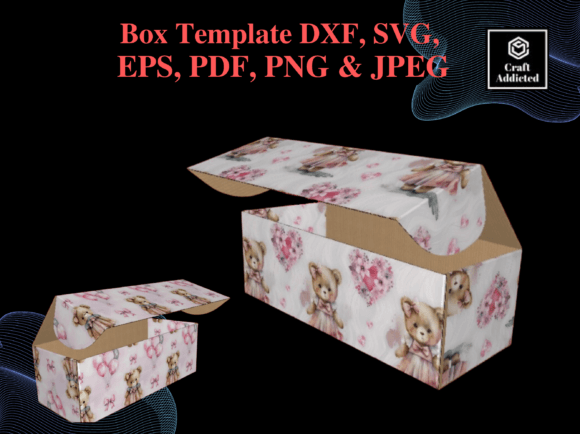
In a crowded creative marketplace, thumbnail click-through rate dictates survival. This Heart Box Template requires specific presentation strategies to convert browsers into buyers. Because it is a structural design, flat 2D previews fail to communicate its value. My testing confirmed that rendered 3D mockups are non-negotiable here. Customers need to visualize the assembled volume to understand the scale and utility. I recommend creating listing images that show the box both open and closed, perhaps filled with candy or jewelry to demonstrate capacity.
Visual hierarchy in your listing photos should emphasize the "gift-ready" nature of the product. Use soft, warm lighting and textured backgrounds like linen or wood grain to enhance the handmade aesthetic. For brand identity consistency, pair this asset with elegant serif fonts for a luxury wedding vibe or playful handwritten scripts for a nursery or party favor context. The provided JPG preview is useful, but creating custom lifestyle photography will significantly boost trust. When customers see the box holding real items, the perceived value skyrockets compared to a simple vector screenshot. This approach transforms a basic shape file into an aspirational packaging design solution.
Technical Constraints: Where to Exercise Caution
While versatile, this asset has limitations that sellers must respect to avoid negative reviews. The intricate fold lines inherent to Shapes designed for assembly do not translate well to every medium. I advise against using this detailed vector for tiny sticker designs or iron-on transfers smaller than three inches. The cut lines become too dense for standard cutting machines to handle cleanly at micro-scales, leading to torn vinyl or frustrated customers. Similarly, avoid placing this complex geometry on dark, busy backgrounds in thumbnails; the contrast issues make the fold lines disappear, rendering the image confusing.
Sellers offering this as a sublimation design must also be careful. Sublimation requires high-resolution raster data. Always verify the DPI of the included PNG before listing it for print products. If the resolution dips below 300 DPI at the target print size, upscale it professionally or restrict its use to digital-only applications. Additionally, while the DXF format is essential for free Cricut users, it sometimes loses layer organization during conversion. Test the DXF file personally in Design Space to ensure score lines and cut lines are separated correctly. If they merge, provide a PDF guide explaining how to reassign line types, or risk returns due to "file errors."
Seller Checklist: Pre-Launch Validation Steps
Before publishing this digital product to your shop, run through this practical validation protocol to ensure professional quality:
- Cut Test: Physically cut and assemble the box using cardstock. Verify that tabs align perfectly and the 14.5×3.8cm dimensions result in a sturdy structure.
- File Organization: Ensure the ZIP file contains clearly labeled folders. Separate "Printable Instructions" from "Cut Files" to prevent user confusion.
- Licensing Check: Re-read the commercial license terms. Confirm whether you can sell the assembled physical boxes or only the digital files. Clarify this in your listing description to manage buyer expectations.
- Font Pairing: Create three distinct mockups using different typography styles (serif, sans-serif, script) to showcase range to potential buyers.
- Background Testing: Preview the PNG on white, black, and colored backgrounds to ensure transparency is clean and edges are crisp.
- Keyword Alignment: Tag the listing with specific long-tail keywords like "heart favor box svg," "3d gift box template," and "valentine packaging dxf" rather than generic terms.
By treating the Heart Box Template SVG and Box DXF as a component of a broader business strategy rather than just another file upload, you position your shop as a resource for serious creators. The inclusion of scalable project sizes up to 7.61”x14.14” opens doors for large-format event decor, while the smaller size caters to jewelry sellers. This duality is where the profit lies. Remember, for any custom sketches or modifications needed for specific client work, the original creator invites contact, offering a pathway for bespoke upsells. Ultimately, this asset supports a professional, diversified catalog when tested rigorously and presented with intention.