Graduation Lantern Svg: A Designer’s Stitch Review
As an embroidery digitizer and product reviewer, I approach every new file with a specific question: will this design actually translate from screen to fabric without losing its charm? When evaluating the Graduation Lantern Svg, my immediate focus is on how the geometric lines and thematic elements interact during the stitching process. This isn't just a digital asset; it is a blueprint for a physical object that needs to withstand washing, wearing, and close inspection. For fellow makers, Etsy sellers, and apparel decorators, understanding the structural integrity of this shape is crucial before you commit thread to fabric.
First Impressions and Structural Integrity
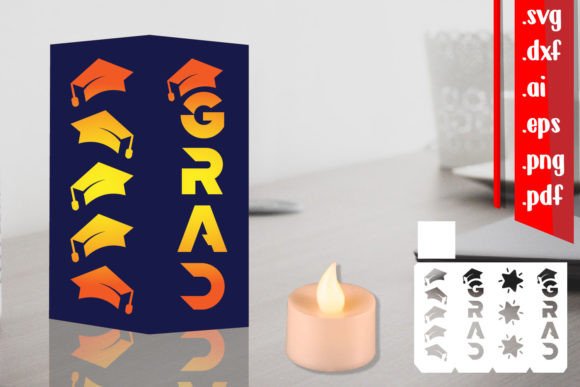
Upon opening the zip file, which conveniently organizes the design into folders containing AI, EPS, SVG, PDF, and DXF formats, the first thing I assess is the line quality. As a 3D SVG categorized under Shapes, this graduation lantern relies heavily on clean vectors. In embroidery, jagged digital lines become jagged stitches. Fortunately, this design presents smooth curves and distinct separation between the lantern frame and the internal graduation motifs. This separation is vital. It suggests that when converted into a machine embroidery design, there will be adequate space for needle penetration without causing fabric puckering or excessive density buildup.
The mood of the design strikes a balance between academic tradition and modern celebration. It avoids being overly ornate, which is a significant advantage for stitch clarity. Overly complex details often get lost in translation, but this lantern maintains a bold silhouette that reads well even at smaller sizes. For a craft business owner, this visual clarity means the design remains recognizable whether it is placed on a large tote bag or a compact embroidered patch.
Real-World Application: The Custom Sweatshirt Test
To truly evaluate this asset, I mentally placed it in a real-life production scenario. Imagine preparing a custom crewneck sweatshirt for a high school senior class order. Sweatshirt fleece is textured and prone to shifting, making it a challenging canvas for detailed shapes. Here is where the Graduation Lantern Svg proves its worth. Because the design utilizes clear negative space and defined borders, it accommodates a standard cutaway stabilizer effectively without requiring excessive topping.
If I were stitching this as an applique design, the outer frame of the lantern serves as an excellent placement line. You could use a contrasting fabric for the lantern body and a solid fill for the cap or tassel elements inside. This layering adds tactile value to the finished product, elevating it beyond a flat print. Customers perceive this dimensional quality as higher value, which directly impacts pricing power for Etsy sellers and boutique owners. However, if you choose to stitch it entirely in thread, the design’s balanced proportions prevent the "bulletproof" stiff feeling that plagues poorly optimized graduation graphics. The result is a soft, wearable piece of custom apparel that students will actually want to keep.
Navigating Fabric Limitations and Hoop Constraints
While versatile, this design demands respect for material limitations. I would exercise caution when applying this to stretchy performance wear or thin jersey knits without proper testing. The structured nature of a lantern shape requires stability; if the fabric stretches while the machine runs a dense satin stitch border, the final shape will distort. Always pair this design with appropriate stabilization strategies for the specific garment weight.
Regarding hoop size, verify your machine's capabilities before purchasing. While the vector files are scalable, embroidery has physical limits. If you scale this down for a baby onesie or a sleeve cuff, inspect the smallest interior details. Tiny text or intricate lattice work within the lantern may need to be simplified or removed to prevent thread breaks and needle damage. Conversely, for large items like pillow covers or blankets, ensure the design doesn't exceed your maximum embroidery field. Scaling up is generally safer than scaling down, but always check the aspect ratio to maintain the lantern's architectural symmetry.
Dark fabrics also present a unique challenge. A lantern design often implies light, so stitching white or yellow thread on navy fabric creates high contrast but increases visibility of any registration errors. If you are producing holiday embroidery or graduation gear in school colors, run a test stitch-out on scrap fabric first. Check if the stitch density allows the dark fabric to show through unintentionally, or if the coverage is too heavy, causing the fabric to warp.
Commercial Viability and Brand Consistency
For those running a small shop product line, consistency is key to building trust. The Graduation Lantern Svg offers a cohesive aesthetic that can anchor a seasonal collection. Because the file includes multiple formats, you can use the same visual language across different mediums. Use the SVG for cutting vinyl heat transfers on t-shirts, the PDF for creating professional printable mockups for your online listings, and the DXF or EPS as a base for digitizing your own proprietary embroidery file.
This cross-platform utility saves time and ensures your branding looks professional across all touchpoints. When a customer sees the same crisp lantern graphic on your Instagram post, your website banner, and the actual personalized gift they receive, it reinforces brand reliability. However, a critical reminder for commercial users: always confirm the licensing terms included in your download. Ensure you have the right to sell finished physical products versus digital assets. Protecting your business starts with respecting intellectual property guidelines.
Essential Pre-Stitch Checklist for Makers
Before you load this design into your machine or list it in your store, follow this practical workflow to ensure success:
- Test on Scrap: Never stitch a new design directly onto a client’s garment. Use similar fabric weight and texture to check tension and registration.
- Verify Thread Colors: Monitor how your chosen palette interacts. High-sheen rayon might look different than matte polyester against the lantern’s geometric lines.
- Check Stabilizer Pairing: Match the support to the fabric. Fleece needs cutaway; woven cotton might handle tear-away. The wrong choice ruins the shape.
- Inspect Small Details: Zoom in at 100% view in your software. If gaps appear between stitch columns after resizing, adjust manually or choose a larger size.
- Mockup Realistically: Don't rely solely on digital renders. Photograph a physical sample to show customers true texture and scale.
- Confirm File Compatibility: Ensure your machine reads the provided formats. While AI and EPS are great for editing, your machine likely needs a specific stitch format not listed here, requiring conversion software.
Final Thoughts on Design Utility
The Graduation Lantern Svg stands out as a functional, aesthetically pleasing asset for the serious maker. Its strength lies in its adaptability; it works equally well as a standalone emblem on a cap or as part of a larger narrative on a commemorative quilt. By treating this vector art with the technical consideration required for textile application, you transform a simple digital download into a premium handmade product. Whether you are creating baby embroidery keepsakes or outfitting an entire graduating class, this design provides a solid foundation for professional, durable, and beautiful results. Remember, the best embroidery projects begin with thoughtful preparation and end with a stitch-out that honors both the design and the fabric it lives on.