Halloween Ghost Candy Dome: 3D SVG Shapes Review
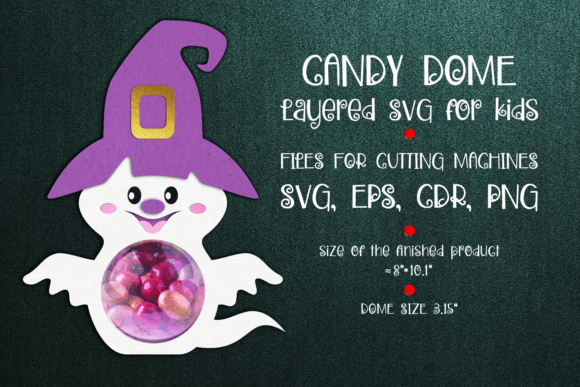
As a digital publisher and blog designer constantly scouting for assets that bridge the gap between playful creativity and professional editorial standards, my first impression of the Halloween Ghost Candy Dome Template was one of delightful structural integrity. In the saturated market of seasonal content, it is rare to find a graphic design asset that feels both whimsical and architecturally sound. This specific digital download immediately struck me as a versatile tool for lifestyle bloggers, party planners, and creative entrepreneurs who need to elevate their visual hierarchy without sacrificing brand sophistication. The mood is distinctly modern-festive; it avoids the cheap, clip-art aesthetic that often plagues Halloween content, offering instead a clean, dimensional quality that suggests high-effort craftsmanship even when used digitally.
For publishers managing content calendars, this asset signals a shift toward interactive and tactile visuals. It supports niches ranging from DIY crafting and parenting blogs to boutique e-commerce and seasonal marketing campaigns. The "candy dome" concept inherently implies a container or a focal point, which is gold for editorial design. It creates a natural frame for text, products, or calls to action, making it significantly more functional than a standard flat illustration. When integrated into a website header or a featured image, it establishes a tone of curated fun, building reader trust through polished presentation rather than generic stock imagery.
Editorial Applications Across Publishing Platforms
In my workflow testing, the Halloween Ghost Candy Dome Template proved exceptionally adaptable across various content marketing touchpoints. As a blog graphic, it serves as an excellent anchor for tutorial posts or product roundups. Because the file originates as a 3D SVG intended for cutting machines, the vector lines are crisp and scalable, meaning they remain sharp whether rendered as a massive hero image or a petite newsletter banner. For Pinterest pin creation, the vertical dimensionality of the dome shape naturally guides the eye downward toward the headline and URL, a crucial factor in improving click-through rates on visual discovery platforms.
Beyond standard blog graphics, this asset shines in lead magnet and digital guide creation. I successfully mocked up an eBook cover where the ghost dome acted as a central badge for the title, giving the PDF a tangible, premium feel. For affiliate marketers, the dome provides a perfect, non-intrusive backdrop for showcasing sponsored candy brands or craft supplies, allowing the product photography to sit inside the graphic element cohesively. Newsletter creators will appreciate its utility as a section divider or a header for October editions, breaking up dense text with a visual cue that maintains engagement. Even for those creating Canva templates to sell or share, this asset adds a unique, proprietary layer that distinguishes your designs from competitors using standard library elements.
Enhancing Visual Hierarchy and Brand Identity
The true value of any design asset lies in its ability to support content performance, and this template excels at reinforcing visual identity. Consistent use of such distinctive shapes helps establish category recognition; readers begin to associate this specific aesthetic with your brand’s seasonal coverage. The 3D nature of the SVG allows for shadow and depth manipulation, which creates separation between the background and foreground elements. This depth is essential for accessibility and readability, ensuring that white text remains legible against varied backgrounds.
From a conversion perspective, the playful yet structured design lowers the cognitive load for visitors. It signals that the content is approachable and entertaining, which increases dwell time on creative and lifestyle pages. For small business branding, utilizing a cohesive set of shapes like this across social media graphics, web design, and printable design materials creates a unified ecosystem. It transforms scattered seasonal posts into a deliberate campaign. Furthermore, because it is a vector-based format, it supports rapid iteration; you can recolor the ghost or the dome to match specific brand palettes instantly, ensuring that your Halloween content never looks off-brand.
Strategic Placement and Contextual Awareness
While versatile, this asset requires strategic placement to maintain editorial quality. It performs best as a primary visual anchor in hero sections, article thumbnails, and promotional banners where there is ample negative space to let the shape breathe. It is particularly effective in "How-To" guides where the graphic can mirror the physical outcome of the project. However, publishers must exercise caution when deploying this asset in text-heavy environments or minimalist corporate layouts. The intricate details of the ghost and dome can compete with body copy if not sized correctly, potentially harming readability scores.
I would advise against using this specific graphic for serious professional niches or B2B content unless the brand voice is explicitly quirky. Additionally, avoid placing it on busy photographic backgrounds without a solid overlay, as the complex lines may get lost. On mobile devices, test the thumbnail size rigorously; what looks like a charming candy dome on desktop might render as an unrecognizable blob on a small screen. Always prioritize clarity over decoration. If the shape does not enhance the user's understanding of the content or the navigation experience, opt for a simpler geometric alternative.
Publisher Workflow Notes and Technical Best Practices
Before integrating the Halloween Ghost Candy Dome Template into a live production environment, run through this practical checklist to ensure optimal performance and legal compliance:
- Software Compatibility: Remember that this is primarily marketed as files for cutting machines. Ensure you have appropriate software like Illustrator, Inkscape, or Affinity Designer to convert the SVG for web use if you are not using a dedicated cutter interface.
- Typography Pairing: Test the asset beside various font styles. It pairs beautifully with bold sans-serif fonts for modern impact or handwritten scripts for a personal touch, but may clash with ornate serif fonts due to competing visual complexity.
- Contrast Testing: Always preview the graphic in grayscale to ensure sufficient contrast ratios. Accessibility should never be compromised for seasonal aesthetics.
- File Optimization: While SVGs are generally lightweight, complex paths can bloat code. Run the file through an SVG optimizer before embedding it directly into website headers to maintain fast load times.
- Licensing Verification: Scrutinize the commercial license terms included with the digital product. Confirm whether you can use the asset in monetized blog posts, paid digital downloads, or client work. Never assume rights transfer automatically.
- Cross-Platform Preview: View the final composition on both desktop and mobile viewports. Check how the graphic interacts with ad placements and pop-ups to prevent accidental obstruction of revenue-generating elements.
Ultimately, the Halloween Ghost Candy Dome Template represents a smart investment for content creators looking to professionalize their seasonal output. By treating this funny paper craft file as a serious editorial component rather than just a decorative afterthought, publishers can create richer, more engaging digital experiences. Whether you are designing a viral Pinterest pin, a comprehensive digital guide, or a simple festive newsletter, this asset provides the structural charm necessary to stand out in a crowded creative marketplace. Just remember to validate your technical workflow and respect the licensing parameters to keep your publishing operation both beautiful and compliant.