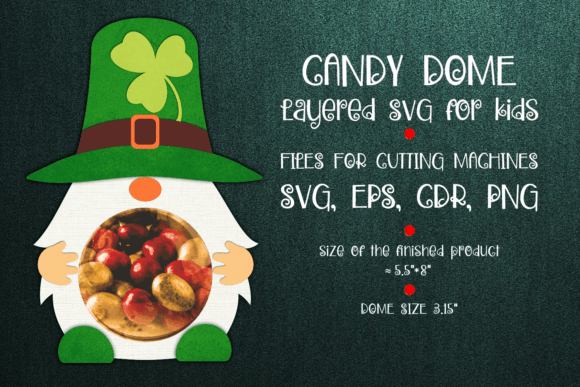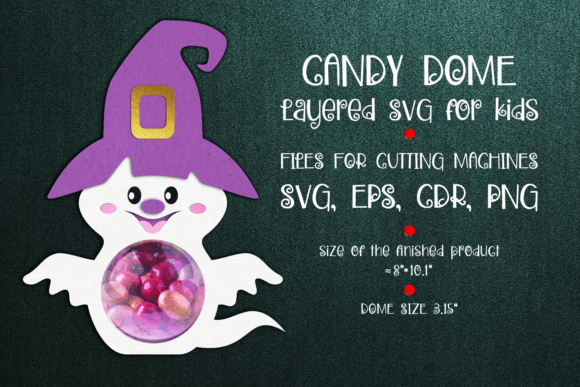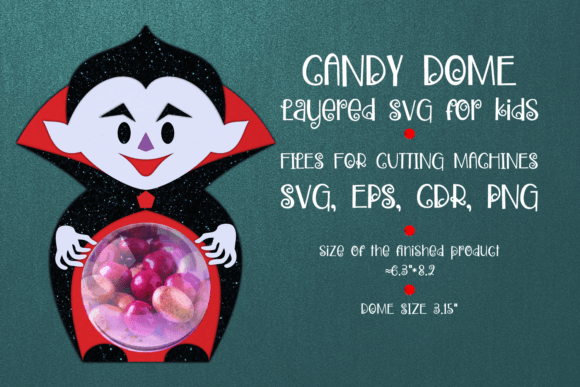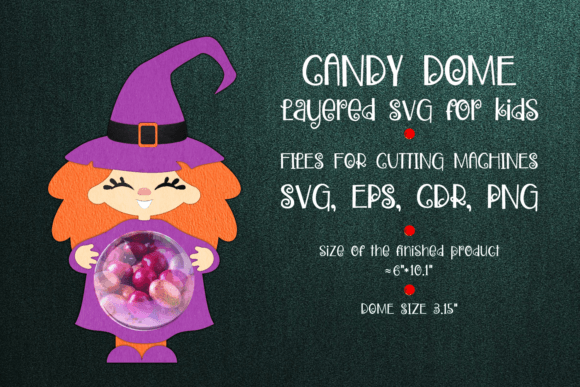
Halloween Gnome Candy Dome: 3D SVG Shapes
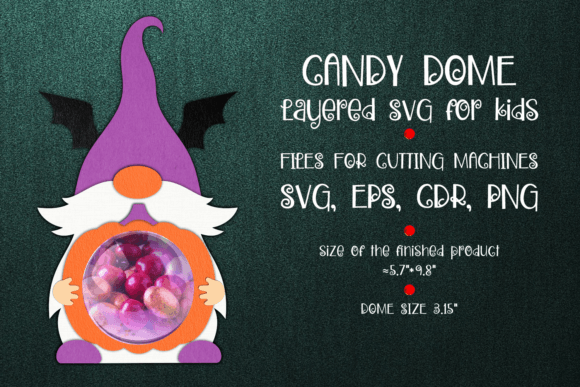
As a digital publisher and blog designer, I constantly evaluate assets not just for their aesthetic appeal, but for their functional utility in a real content workflow. When I first opened the Halloween Gnome Candy Dome Template, my immediate assessment was that this is more than a simple seasonal decoration; it is a versatile graphic design asset capable of bridging the gap between playful crafting niches and professional editorial presentation. The design strikes a specific balance, leaning heavily into a cozy, feminine, and whimsical lifestyle mood. It avoids the garish or overly macabre tones often associated with Halloween content, making it an excellent candidate for family-friendly blogs, DIY tutorial sites, and creative entrepreneur portfolios that need to maintain brand safety while participating in seasonal trends.
From an editorial design perspective, this template offers a distinct advantage: dimensionality. In a sea of flat vector graphics, the implied depth of this candy dome structure creates visual interest that arrests the scroll. For publishers in the paper craft, Cricut, or home decor spaces, this asset signals to the reader immediately that the content is tactile and actionable. It supports a narrative of creativity and hands-on engagement, which is essential for building reader trust in tutorial-based content. However, because it is inherently decorative, it requires thoughtful placement to ensure it enhances rather than distracts from the core message of your article or newsletter.
Strategic Applications in Content Publishing Workflows
In my own publishing workflow, I look for assets that can serve multiple purposes across different platforms to maximize ROI on design time. The Halloween Gnome Candy Dome Template excels here because its silhouette is distinct enough to work as a standalone icon yet detailed enough to serve as a hero element. As a Pinterest pin background or focal point, it performs exceptionally well. Pinterest users are visually driven, and the combination of a recognizable gnome figure with the unique geometry of a candy dome creates a high click-through potential. It promises a specific type of content—a fun, achievable project—which aligns perfectly with user intent on that platform.
For on-site web design, I have found this asset particularly useful for category thumbnails and sidebar widgets. When organizing a blog with hundreds of posts, visual cues help users navigate faster than text alone. Using this template as a consistent marker for "Halloween Crafts" or "Seasonal Printables" establishes a stronger visual hierarchy. Furthermore, for those creating digital products or lead magnets, such as a downloadable PDF guide on holiday decorating, this graphic serves as an ideal cover element. It adds perceived value to the digital download by making the resource feel curated and professionally designed, rather than like a generic Word document.
I also see significant value for affiliate marketers and small business owners using Canva templates. Because the gnome and dome shapes are distinct, they can be easily integrated into social media graphics promoting affiliate links for cutting machines, vinyl, or cardstock. The asset acts as a visual anchor that stops the feed, allowing you to overlay pricing or call-to-action text without the image feeling cluttered. This versatility makes it a staple for Q4 content planning, where speed and visual consistency are paramount.
Optimizing Visual Hierarchy and Brand Identity
A critical aspect of using any 3D SVG or complex shape in editorial layouts is ensuring it supports, rather than competes with, your typography. The Halloween Gnome Candy Dome Template has a busy center of gravity due to the character details. In my testing, I found that it pairs best with clean, bold sans-serif headlines or elegant, high-contrast serif fonts. Avoid placing intricate script fonts directly over the gnome’s face or the dome’s lattice work, as this destroys readability and frustrates mobile users. Instead, use the negative space around the dome for text placement. This respect for white space is what separates amateur blog graphics from professional content marketing visuals.
Regarding brand identity, this asset is a strong fit for creators who want to signal "approachable expertise." It feels handmade but polished. If your website relies on a minimalist, corporate, or ultra-modern aesthetic, this template may introduce too much visual noise. However, for lifestyle bloggers, educators, and creative entrepreneurs, it reinforces a brand voice that is warm and inviting. Consistency is key; if you use this for your Halloween featured images, consider how it relates to your other seasonal assets. Does it share a similar color palette or line weight? Maintaining this cohesion across your design assets builds long-term recognition and authority with your audience.
Technical Considerations for Web Performance and Licensing
Before integrating this into a live production environment, there are practical technical notes every publisher must address. First, verify the file integrity. As a digital product, you must ensure you have the appropriate software to manipulate these files before committing to a design direction. Test the SVG in your preferred vector editor and your web browser. Complex paths can sometimes render poorly on older devices or cause lag if the code is unoptimized. Always run the final exported web image through a compression tool; a heavy graphic in your website header or above-the-fold content can devastate your Core Web Vitals and SEO rankings.
Licensing is another non-negotiable checkpoint. Before using this on monetized pages, affiliate posts, or within paid printable design bundles, confirm the commercial license terms. Many creative marketplace assets allow for personal use but restrict commercial application or require attribution. Protecting your business means respecting these boundaries. Additionally, test the asset in grayscale. Not all users view content in full color, and accessibility standards require that information conveyed through color is also discernible without it. If the gnome disappears against the background in black and white, you need to adjust your contrast ratios.
Evaluating Placement: Where It Works and Where to Pause
Through extensive A/B testing and layout reviews, I have identified specific environments where the Halloween Gnome Candy Dome Template thrives and others where caution is warranted. It is a powerhouse for hero images, newsletter headers, and social media graphics where the goal is engagement and delight. It works beautifully as a visual break in long-form tutorials, helping to segment content and reduce cognitive load for readers following complex instructions.
Conversely, use this asset carefully in small mobile thumbnails or dense text blocks. The intricacy of the gnome’s beard and the dome’s pattern can turn into visual mud when scaled down below 150 pixels. In these instances, a simplified version or a solid-color silhouette derived from the main asset is superior. Also, avoid using this in serious, somber, or highly technical content sections. The whimsy is a feature, not a bug, but context matters. Placing a funny gnome next to a serious safety warning or a complex financial disclosure creates tonal dissonance that undermines reader trust. Always ask: does this graphic clarify the content, or merely decorate it?
Ultimately, the Halloween Gnome Candy Dome Template is a robust tool for the modern digital publisher. It offers the warmth and specificity required for niche content while providing the structural flexibility needed for professional web design. By treating it as a strategic component of your visual communication strategy—rather than just a cute clipart—you can elevate your editorial quality, improve user experience, and create a more cohesive, clickable presence across all your digital channels. Whether you are designing a digital guide, refreshing your blog categories, or launching a seasonal affiliate campaign, this asset provides the visual foundation necessary to turn casual browsers into engaged readers and loyal customers.