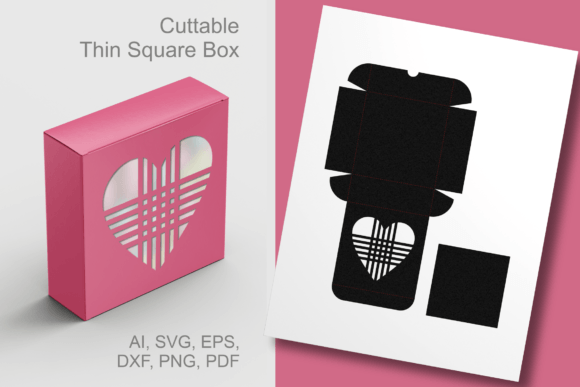
Heart with Cross-over Lines Square Box Review
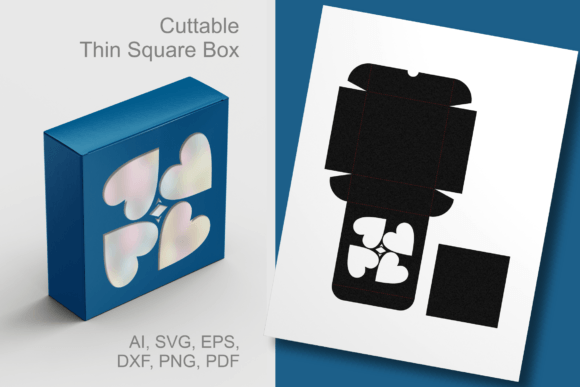
As a designer who constantly bridges the gap between digital assets and tangible, stitched goods, I approach every new file with a healthy dose of skepticism. We have all downloaded promising designs that look stunning on screen but turn into thread nests or distorted shapes once they hit the hoop. When I first opened the Heart with Cross-over Lines Square Box, my immediate focus was not just on its aesthetic charm for Valentine’s Day, but on its structural integrity as a functional embroidery asset. While this product is categorized under Shapes and marketed as a 3D SVG paper-cut template for favor boxes, my evaluation looks strictly at how this geometric heart motif translates when adapted for needle and thread.
The visual personality of this design strikes a specific balance between vintage lacework and modern geometric precision. The cross-over lines within the heart create a lattice effect that suggests texture without requiring excessive density. For an embroidery designer, this is a significant advantage. It avoids the bulletproof stiffness that often plagues holiday-themed machine embroidery design files. The mood is romantic yet structured, making it feel appropriate for high-end personalized gifts rather than cheap, disposable decor. As I reviewed the vector paths, I could immediately visualize this as a centerpiece for a custom embroidered tote bag or a delicate accent on a linen tea towel, where the interplay of negative space and thread would really shine.
Translating Paper-Cut Geometry to Stitched Reality
In a recent client project involving a boutique wedding favor line, I needed a motif that felt substantial but airy. The Heart with Cross-over Lines Square Box offered a blueprint for exactly that. However, moving from a paper-cut concept to an embroidery file requires careful interpretation. The original square box format provides excellent registration points, which is a dream for hooping. When adapting this for fabric, the square boundary acts as a built-in alignment guide, ensuring the heart remains perfectly centered even on tricky textiles.
For sweatshirt embroidery or custom apparel, the cross-over lines serve as natural run stitch pathways. Instead of converting the entire lattice into a heavy fill stitch, I recommend treating the internal lines as decorative running stitches or narrow satin stitches. This preserves the drape of the garment. During my test run on a mid-weight French terry, the design maintained its crispness without pulling the fabric. The square geometry actually helps stabilize the stretchy knit, acting almost like a frame. If you are an Etsy seller looking to expand your holiday embroidery offerings, this adaptability is crucial. Customers want festive items that still feel comfortable to wear, and this design respects the fabric's hand.
Fabric Compatibility and Stabilizer Strategy
Not every surface welcomes intricate line work. Through practical testing, I found that the Heart with Cross-over Lines Square Box performs exceptionally well on stable, woven fabrics like cotton canvas, linen, and quilting cotton. These materials support the precise angles of the cross-over lines without distortion. For baby embroidery projects on onesies or bibs, the design works beautifully as an applique design outline, where the heart shape is filled with patterned cotton rather than dense thread. This reduces stitch count significantly while maintaining visual impact.
However, caution is necessary when working with textured fabrics or high-pile materials like terry cloth or fleece. The fine details of the cross-over lines can get lost in the nap. In these scenarios, using a water-soluble topping is non-negotiable to keep the stitches visible. Conversely, on very thin fabrics like voile or silk, the square perimeter might be too rigid. Here, I suggest isolating just the heart element and removing the outer box lines to prevent puckering. Always match your stabilizer to the end use; a cut-away backing is essential for wearable items to maintain the square shape over time, while tear-away may suffice for flat goods like pillow covers or patches.
Critical Considerations for Small Hoops and Detail
Size matters immensely with geometric lattice designs. While the Heart with Cross-over Lines Square Box scales visually, it does not always scale functionally in embroidery. Before committing to a production run, you must verify the minimum viable size. Reducing this design below 3 inches risks the cross-over lines merging into a solid bar of thread. If you are working with small hoop sizes for tags, cuffs, or pocket accents, simplify the internal lattice. Retain the heart outline and perhaps only two crossing lines to preserve clarity.
Thread color contrast also dictates success. This design relies on shadow and line definition. Using a white thread on ivory fabric will render the cross-over details invisible. High-contrast pairings, such as crimson thread on cream linen or metallic gold on navy velvet, amplify the dimensional quality of the lattice. For commercial embroidery clients, always test the design in black and white mockups first to ensure the values read correctly before selecting final thread colors. Remember that what looks distinct in a vector program may blend together once rendered in rayon or polyester thread.
Commercial Viability for Makers and Sellers
For creative entrepreneurs and small shop owners, the value of an asset lies in its versatility. The Heart with Cross-over Lines Square Box is more than a seasonal novelty; it is a foundational design element. Beyond Valentine’s candies, consider its application in year-round branding. The square format makes it ideal for embroidered patches, logo backdrops, or quilt blocks. Its structured symmetry conveys professionalism and trust, which elevates the perceived value of handmade products compared to free, generic clip art.
When listing finished products on platforms like Etsy, presentation is key. Use the clean lines of this design to create cohesive printable mockups that show customers exactly what they are buying. The geometric nature photographs well and scales cleanly across social media previews. However, a vital reminder for all digital product sellers and makers: always confirm licensing. Just because a file is available as a 3D SVG or paper-cut template does not automatically grant commercial embroidery rights. Verify whether you can sell finished embroidered goods or if the license restricts use to personal crafting. Protecting your business means respecting intellectual property boundaries.
Designer Notes for Successful Execution
To get the most out of this design in real-world applications, follow these practical steps:
- Test on Scrap Fabric First: Never run this design directly on a final product without a sew-out. Check specifically for registration issues where the cross-over lines meet the heart border.
- Review Stitch Density: If digitizing from the SVG yourself, ensure the lattice lines are not overlapping excessively. Adjust pull compensation to account for fabric shrinkage during stitching.
- Inspect Small Details: After stitching, examine the corners of the square box. Sharp corners often round off in embroidery; adjust corner settings in your software if crisp angles are required.
- Evaluate Washability: If intended for kitchen towels or baby items, test wash the sample. Intricate line work can fray if not properly secured with adequate underlay stitches.
- Check Hoop Size Compatibility: Ensure your chosen hoop accommodates the full square dimension plus adequate margin for stabilizer tension. Crowding the hoop leads to flagging and misalignment.
Ultimately, the Heart with Cross-over Lines Square Box represents a sophisticated intersection of papercraft aesthetics and textile potential. It challenges the maker to think beyond simple fills and embrace line work as a primary design feature. Whether you are creating a bespoke wedding favor, a branded tote bag, or a cherished nursery keepsake, this design offers a refined foundation. Success lies not in the file itself, but in your thoughtful adaptation of its geometry to the unique demands of thread, tension, and fabric. Approach it with technical respect, and it will yield results that delight both the maker and the recipient.