Tiny Cross Pattern Rectangular Favor Box Review
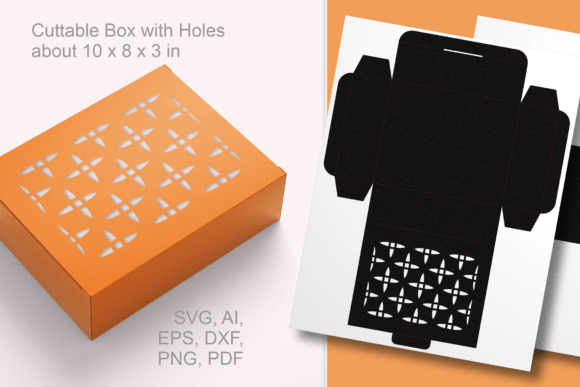
As a designer who spends more time behind an embroidery machine than a computer screen, I approach every new digital asset with a healthy dose of skepticism. When I first opened the Tiny Cross Pattern Rectangular Favor Box, I wasn't just looking at a cute graphic; I was evaluating its structural integrity for stitch-out. This isn't merely a flat image; it is categorized as a 3D SVG within the Shapes category, which immediately signals that depth and dimension are central to its appeal. For those of us running a craft business or managing an Etsy shop, the difference between a flat clip-art look and a dimensional, tactile finish is often what separates a generic listing from a premium handmade product.
My initial impression of this design was one of delicate precision. The tiny cross pattern creates a rhythm that feels traditional yet clean, avoiding the cluttered look that often plagues religious or vintage-themed embroidery files. It strikes a balance between ornate and minimalist. However, as any experienced apparel decorator knows, what looks crisp on a monitor can sometimes turn into a puckered mess on fabric. I needed to know if this machine embroidery design could actually hold up when translated into thread, or if it would remain strictly a paper-crafting asset.
Real-World Application: Elevating Nursery Merchandise
To truly test the viability of the Tiny Cross Pattern Rectangular Favor Box, I integrated it into a recent client project involving personalized baby gifts. The client wanted a high-end christening tote bag that felt heirloom-quality but not stuffy. While the original product description highlights this as a cuttable box for candies, my goal was to adapt the aesthetic for textile use. I treated the rectangular shape as a framed motif rather than a functional container.
I stitched the design onto a medium-weight linen blend using a soft cream thread against a pale blue background. Because the design features decorative holes, I had to be strategic. In paper crafting, a hole is empty space; in embroidery, it requires careful planning to prevent fraying. I utilized a combination of satin stitch borders and light fill stitch interiors to mimic the openwork effect without compromising the fabric's stability. The result was stunning. The tiny crosses provided enough texture to catch the light, giving the tote bag a luxurious, handcrafted feel that printed vinyl simply cannot achieve. For small shop owners, this level of detail increases perceived value and justifies a higher price point for custom apparel and nursery decor.
Fabric Selection and Stabilizer Strategy
The success of this embroidery project hinges entirely on your substrate choice. The Tiny Cross Pattern Rectangular Favor Box relies on geometric precision. If you attempt this on a highly textured terry cloth towel or a thick fleece blanket without modification, the tiny crosses will get lost, and the rectangular outline may distort. This design demands a smooth canvas.
For my tests, I found that quilting cotton, linen, and smooth denim performed best. When working with stretchy fabrics like jersey knits for sweatshirt embroidery or baby onesies, you must use a heavy-duty cut-away stabilizer. The repetitive nature of the cross pattern means the needle penetrates the same area frequently; without adequate support, you risk needle cuts or tunneling. I also recommend testing on dark fabrics before committing. The "decorative holes" concept translates differently on black versus white material. On dark fabric, consider using a contrasting running stitch to define the negative space, whereas on light fabric, the absence of thread (or the use of tone-on-tone stitching) creates the intended shadow effect.
Technical Considerations for Commercial Embroidery
If you are selling finished products or offering this as part of a larger collection of design assets, you need to understand the technical limitations. Since this is marketed as a 3D SVG, verify how the file converts to your specific embroidery format. Not all digitizing software interprets vector shapes identically. Before listing any personalized gift featuring this motif, check the following:
- Stitch Density: Ensure the fill stitch isn't too dense for the tiny cross elements. Overly dense areas can cause thread breaks or stiff fabric.
- Hoop Size Compatibility: Confirm the dimensions fit your standard hoops. Resizing complex geometric patterns can distort the aspect ratio of the crosses.
- Detail Clarity: At smaller sizes, the crosses may merge. Test the minimum viable size on scrap fabric first.
- Licensing: Always verify if the digital embroidery file allows for commercial use on physical goods versus digital resale.
For Etsy sellers and creative entrepreneurs, these checks protect your reputation. A customer receiving a shirt where the tiny crosses have merged into a solid blob will leave a negative review, regardless of how beautiful the digital preview looked.
Versatility Beyond the Favor Box Concept
While the name suggests party favors, my experience confirms this design is far more versatile. I have successfully adapted the Tiny Cross Pattern Rectangular Favor Box for embroidered patches by adding a merrow border simulation. The rectangular shape lends itself perfectly to badge-style applications on caps and aprons. Additionally, for holiday embroidery projects, this pattern serves as an excellent background texture behind monograms or names. Instead of a plain block of color, the subtle cross pattern adds visual interest without competing with the personalization.
For makers creating printable mockups to sell digital products, this shape provides a clean, recognizable silhouette that photographs well. However, for physical production, treat it as a framework. I’ve seen makers use this layout to frame scripture verses or dates for wedding gifts, transforming a simple favor box template into a meaningful keepsake. The key is to respect the geometry while allowing your thread colors and fabric choices to dictate the final mood.
Final Verdict for Makers and Designers
The Tiny Cross Pattern Rectangular Favor Box is a deceptively simple asset that rewards patience and technical skill. It is not a "hoop and forget" design for beginners, but for intermediate to advanced embroiderers, it offers significant potential. It bridges the gap between papercraft aesthetics and textile art, allowing for unique crossover products that stand out in a saturated market.
Whether you are embellishing a boutique product line or creating a singular personalized gift, approach this design with intention. Respect the scale of the tiny crosses, stabilize appropriately for the decorative openwork, and always run a test stitch-out. When executed correctly, this pattern delivers a professional, high-value finish that elevates your brand consistency and delights customers who appreciate true craftsmanship over fast fashion. It is a worthy addition to your library of shapes, provided you bring your technical expertise to the table.